
State of the World’s Plants and Fungi 2026: Digitised Fungaria and Information Systems at the Core of Fungal Biodiversity Knowledge
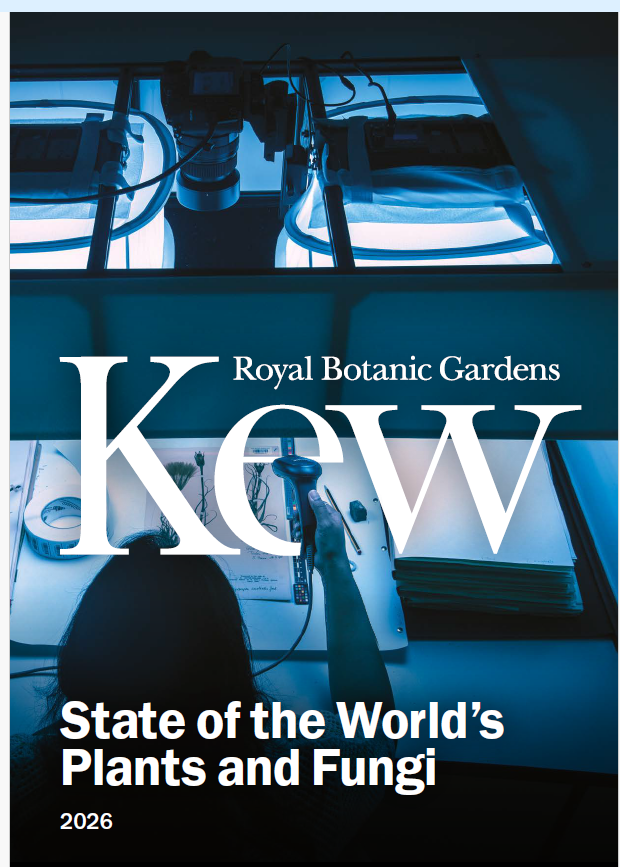
The new edition of State of the World’s Plants and Fungi 2026, published by the Royal Botanic Gardens, Kew, places strong emphasis on the contribution of digitised biological collections to biodiversity research and conservation.
Among the featured case studies is an analysis of fungal biodiversity in Costa Rica. By integrating data from fungal collections with information gathered from scientific literature, researchers increased the number of known fungal species in the country by almost 20%. The study demonstrates how digitised collections and well-structured datasets can generate new knowledge and help address significant information gaps.
These findings reinforce the importance of developing infrastructures capable of linking field observations, preserved specimens and digital data. This is the same principle underpinning the Fungal Information System (SIF) developed within Ndm. Data stored in the system originate from standardised field surveys and are linked to specimens preserved in participating fungaria, ensuring traceability, verifiability and scientific reliability.
The integration of field records, reference specimens, shared standards and digital tools is now recognised as a key element for improving knowledge of fungal biodiversity and supporting research, monitoring and conservation activities.
State of the World’s Plants and Fungi 2026 (Royal Botanic Gardens, Kew)